Understanding Dementia in Haldimand
Dementia is an umbrella term encompassing various cognitive impairments that significantly impact memory, thinking, and social abilities, disrupting a person’s daily life. The term often refers to conditions such as Alzheimer’s disease, vascular dementia, and frontotemporal dementia, among others. Understanding dementia in the context of Haldimand is crucial for fostering awareness, providing support, and creating strategies for effective care. In Haldimand, community resources and support structures are essential in addressing the needs of individuals and families affected by dementia. For invaluable insights into available resources, visit dementia haldimand.
What is Dementia and Its Types?
Dementia is characterized by a decline in cognitive function severe enough to interfere with daily living. The common types include:
- Alzheimer’s Disease: The most prevalent form, contributing to 60-80% of dementia cases, known for gradual memory loss and confusion.
- Vascular Dementia: Often resulting from a stroke or other issues that block blood flow to the brain, leading to problems with reasoning and planning.
- Frontotemporal Dementia: This involves the degeneration of the frontal and temporal lobes, impacting personality and behavior.
Prevalence of Dementia in Haldimand
According to recent studies, the prevalence of dementia in Haldimand reflects broader trends seen across Ontario, with an increasing number of residents diagnosed as populations age. By 2026, it’s projected that over 40,000 individuals in the region will be living with some form of dementia, indicating a critical need for support structures at local levels.
Common Symptoms and Early Signs of Dementia
Recognizing the early signs of dementia is vital for timely intervention. Symptoms may vary, but common indicators include:
- Short-term memory loss, affecting daily activities.
- Difficulty with language or communication.
- Disorientation regarding time and place.
- Changes in mood and behavior.
Empowering Caregivers in Haldimand
Caregivers play a vital role in supporting individuals with dementia. Empowering these caregivers through education and resources significantly enhances the quality of care provided.
Support Resources for Caregivers
The Alzheimer Society and local health organizations offer various programs including training sessions, support groups, and educational materials tailored to dementia care. Connecting caregivers with these resources can alleviate their stress and improve care quality.
Strategies for Effective Communication
Effective communication strategies are essential for interacting with those who have dementia. Techniques include:
- Using simple, clear language.
- Maintaining eye contact and using non-verbal cues.
- Allowing extra time for responses to avoid frustration.
Self-Care Tips for Dementia Caregivers
Self-care is crucial for caregivers to prevent burnout. Strategies to maintain personal well-being include:
- Taking breaks and scheduling personal time.
- Engaging in physical activity and hobbies.
- Seeking support from peer groups or counseling services.
Creating Dementia-Friendly Communities
Creating dementia-friendly environments not only supports affected individuals but also benefits families and caregivers. Haldimand has initiated several programs aimed at fostering understanding and inclusivity.
Initiatives in Haldimand for Inclusivity
Local initiatives such as community workshops and awareness campaigns are crucial in transforming Haldimand into a dementia-friendly community. These efforts focus on educating the public and reducing stigma associated with dementia.
Building Support Networks in Local Areas
Establishing local support networks allows families to share experiences and resources. Community groups facilitate connections, ensuring no one faces the challenges of dementia alone.
Advocacy and Awareness Programs
Advocacy is essential for policy change and resource allocation. Awareness programs aim to enhance understanding of dementia, encouraging a more supportive community environment.
Innovative Therapies and Activities
Modern therapeutic approaches play a significant role in enhancing the quality of life for dementia patients. Innovative methods are continually researched to determine their efficacy.
Art and Music Therapy Benefits
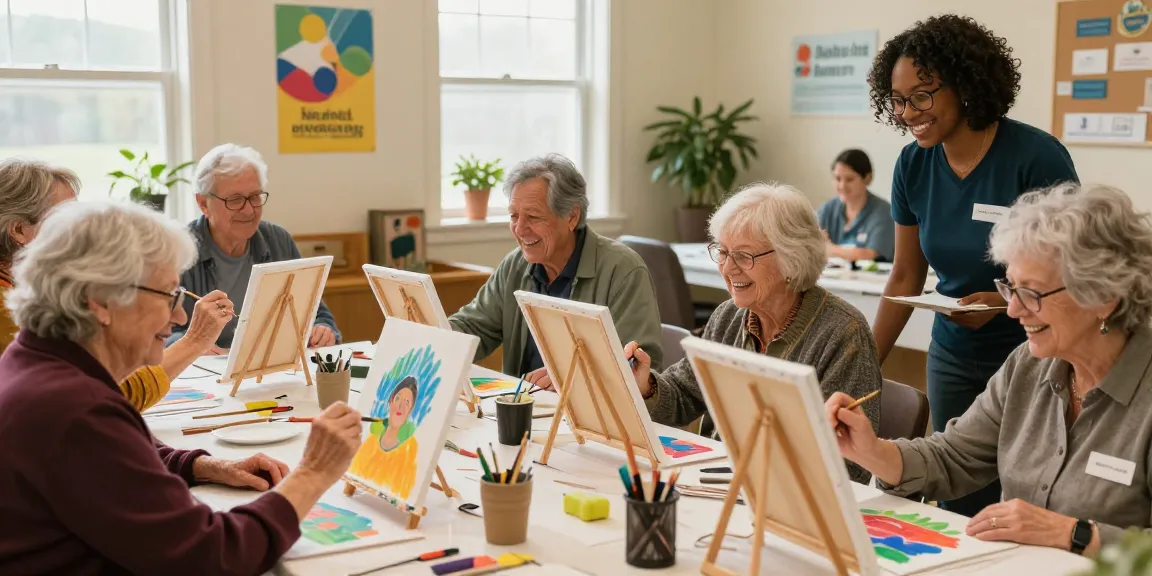
Art and music therapy have shown promising results in improving cognitive function and emotional well-being among individuals with dementia. Engaging in these activities can stimulate memories and provide joy.
Cognitive Stimulation Techniques
Activities designed to stimulate cognitive function, such as puzzles and memory games, can slow cognitive decline and enhance quality of life.
Physical Activities for Wellbeing
Regular physical activity has numerous benefits for people with dementia, including improved mood, reduced anxiety, and enhanced physical health. Walking, dancing, or joining exercise classes can be particularly beneficial.
Future Trends in Dementia Care
The landscape of dementia care is continuously evolving, with advancements in technology and research influencing future practices.
Technology’s Role in Dementia Management
Emerging technologies, including telehealth and cognitive training apps, are revolutionizing dementia care, making it more accessible for both patients and caregivers.
Predictions for Dementia Care in 2026
By 2026, it is anticipated that there will be an increase in personalized dementia care plans, leveraging advancements in healthcare technology and patient data analytics.
Emerging Research and Developments
Ongoing research into dementia treatments and management strategies continues to evolve. Clinical trials and studies aim to uncover new therapies that may significantly improve care outcomes.
FAQs on Dementia Care in Haldimand
How can I support someone with dementia?
Supporting someone with dementia involves being patient, understanding their needs, and encouraging communication. Engaging them in familiar activities can be comforting.
What resources are available for dementia caregivers?
Resources include local Alzheimer societies, caregiver support groups, and educational workshops provided by health organizations.
What are the signs of dementia to watch for?
Signs include memory loss, difficulty in performing familiar tasks, and changes in mood or personality. Early detection is crucial for intervention.
How does dementia impact daily living?
Dementia can affect daily tasks such as cooking, managing finances, and maintaining personal hygiene. Support from caregivers and community resources can help alleviate some challenges.
What community programs support dementia awareness?
Various community programs in Haldimand focus on raising awareness about dementia, including public education campaigns, workshops, and partnerships with local organizations to create supportive environments.